I. Institutional Identity
Bridging historical memory and digital tomorrow.
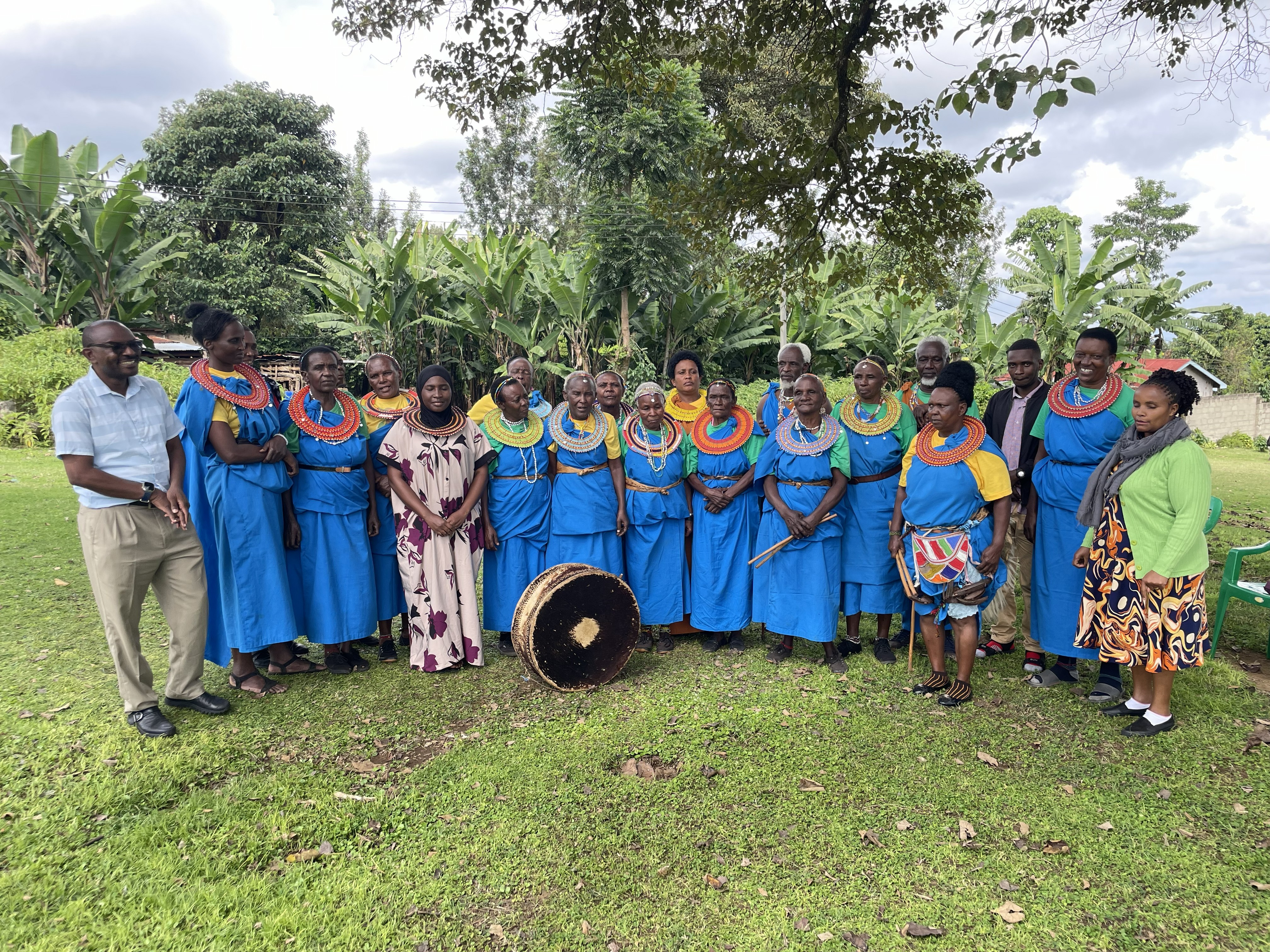
Established under the Non-Governmental Organizations Act No. 24 of 2002 of the United Republic of Tanzania, the Shimulimuli Heritage Foundation (SHF) is dedicated to safeguarding both the tangible and intangible forms of national identity. Cultural heritage is not a static relic of the past, but a living asset for sustainable development and social cohesion.
Operating out of Dar es Salaam, SHF actively collaborates with source communities, academic institutions, and international stakeholders to counter the vulnerabilities of physical degradation through high-fidelity digital solutions and meticulous scientific documentation.
To establish a society in which Tanzania's cultural heritage, indigenous knowledge systems, traditions, languages, and historical identity are preserved, respected, and sustainably transmitted to future generations.
To identify, document, preserve, promote, and digitally safeguard cultural heritage through research, education, community participation, innovation, and strategic collaboration.
II. Core Pillars
Operational Strategy
Functional manifestations of Articles 12 and 14 of the SHF Constitution.
Heritage Documentation
Systematically tracking, recording, and mapping structural manifestations of both tangible landscapes and intangible historical cultural properties.
Digital Archives
Establishing open-access database management systems and physical/cloud digital infrastructure to safeguard historic records against decay.
Cultural Education
Designing curriculum materials, field learning workshops, and operational seminars for public awareness and youth empowerment.
Community Engagement
Ensuring grassroot populations remain primary active agents, authentic gatekeepers, and economic beneficiaries of their assets.
Research & Publications
Supporting academic knowledge production, systematic field surveys, and peer-reviewed ethnographic collections on regional customs.
Strategic Partnerships
Fostering integration pathways with governmental regulators, sovereign local groups, university systems, and international archives.
III. Ethical Directives
Our Core Values
Absolute Integrity
Enforcing honest, ethical execution and moral responsibility across operational governance parameters, resource spending, and field systems.
Radical Transparency
Guaranteeing prompt reporting pipelines, transparent accountability mechanisms, and open legal adherence tracking data to members and regulatory bodies.
Cultural Stewardship
Protecting structural expressions of communities from exploitation, honoring custom rights, and providing non-discriminatory access.
IV. Active Preservation
Current Focus Areas
Strategic field and structural workflows currently undergoing development.
Digital Heritage Archive Initiative
Constructing cloud architectural pipelines to support premium open-access databases. Features include robust asset cataloging, decentralized preservation security, and localized indexing parameters.
Oral History Documentation Project
Deploying ethnographic tracking field workflows across target regions (Lindi, Ruvuma, Dodoma, Kagera, and Mara) to systematically chart vanishing linguistic syntax, custom music records, and folklore.
Indigenous Knowledge Preservation Program
Cataloging traditional ecological and artisanal systems directly from elder custodians, designing institutional integration paths for local continuity and cross-generational educational transfer.
V. Connectivity
Get in Touch
SHF welcomes operational alliances with regional communities, academic researchers, cultural institutes, development groups, and individual supporters.